Designing with a Bold and Humorous Embroidery File
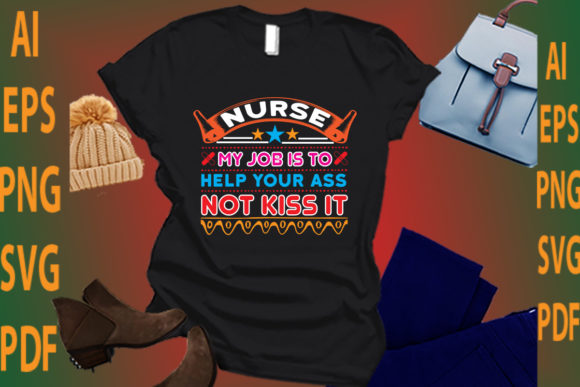
When I first saw the “Nurse My Job is to Help Your Ass Not Kiss It” embroidery design, I was immediately struck by its personality. This isn't a subtle, decorative motif. It's a statement piece with a bold, humorous, and slightly irreverent mood. The layout centers on a straightforward, impactful message, leaving the visual personality entirely in the clever wording. For an embroidery designer, this means the success of the finished product hinges entirely on execution—how we translate that sharp typography into clean stitches.
The Natural Habitat for This Embroidery Design
This design feels tailor-made for casual, personalized gifts and boutique merchandise with a sense of humor. I picture it instantly on a soft, high-quality sweatshirt for a nurse friend, or as a standout feature on a durable canvas tote bag. The theme lends itself perfectly to cheeky holiday gifts, like a festive apron or a kitchen towel for someone with a tough job and a great sense of humor. For small shop owners and Etsy sellers, it’s a ready-made design asset for creating products that spark a quick laugh and show appreciation for the medical field’s gritty reality.
Imagine preparing a custom embroidered tote for a nurse graduating or retiring. The design’s straightforward nature means it becomes the focal point. On a dark fabric, with bright, crisp white or red satin stitches for the lettering, it would command attention. The reaction from the recipient—and from potential customers seeing it in a mockup—would be immediate recognition and a smile. It adds value through its relatable wit, not through intricate decorative detail.
Performance on Real Projects: Where It Thrives and Where to Tread Carefully
In real-life embroidery situations, the “Nurse My Job is to Help Your Ass Not Kiss It” design will perform best on stable, medium-weight fabrics where lettering clarity is paramount. Think cotton sweatshirts, polyester twill caps, sturdy tote bag material, or denim patches. The likely stitch construction—a combination of satin stitch for bold outlines and fill stitch for solid areas—needs a firm foundation. A good stabilizer is non-negotiable here to keep those lines sharp.
Considerations for Visual Clarity and Practical Use
There are a few scenarios where I'd proceed with extra caution. Small hoop sizes could compress the lettering, making smaller details harder to stitch cleanly. Textured fabrics like terry cloth or loosely knit sweaters might obscure the clean edges of the words. On stretchy fabric, meticulous stabilization and perhaps a lighter stitch density would be key to prevent distortion. For dark fabric backgrounds, thread color contrast is everything; a bright, opaque thread is essential for visual appeal.
Since the design’s impact relies solely on the text, tiny lettering or densely packed stitch areas need close inspection in a test run. I always advise stitching a sample on scrap fabric first, especially for a design like this. Check the stitch density on your machine, confirm the hoop size needed for legibility, and inspect how the corners and connections of the letters form. This pre-check ensures your finished product—whether a custom apparel item or a handmade patch—looks professional and trustworthy.
Practical Designer Notes for Commercial and Personal Use
Before committing this to a client’s project or your shop inventory, do a couple of simple but crucial tests. Run it in a black and white digital mockup to see the shape stripped of color. Compare how it looks on both light and dark fabric backgrounds in your software preview. This helps plan thread choices. The provided file formats—AI, EPS, PNG, SVG, PDF—are excellent for flexibility; you can change the design color digitally to match your thread palette or product line.
A key note for creative entrepreneurs: always confirm the licensing terms for any digital embroidery file before selling finished items. The description states you receive a zip file, but clarity on commercial use is vital for Etsy sellers and small business merchandise. Once confirmed, this design can be a versatile asset for holiday gifts, boutique branding on staff apparel, or as a printable mockup for your digital product listings.
Ensuring a High-Quality Finished Product
The professionalism of the final embroidered product comes from your skill in pairing this bold graphic with the right materials. On a baby item? Probably not the right fit. But on a nurse’s lounge pillow cover or a durable apron? Perfect. Its giftability and buyer engagement hinge on that confident, friendly, and realistic presentation. It speaks directly to a specific audience, which is a strength for craft business items.
For apparel decorators, consider placement. On a cap, the curved surface requires careful hooping and possibly adjusting the design size. On a flat pillow cover or tea towel, it’s more straightforward. Remember, products featuring this design might be washed frequently; using quality thread and secure stitching techniques will maintain that handmade presentation over time.
In the end, the “Nurse My Job is to Help Your Ass Not Kiss It” embroidery design is a tool. Its value is unlocked by your practical judgment: choosing the right project, fabric, thread, and stabilizer to let its bold, humorous personality shine through in clean, crisp stitches. It’s a straightforward design with a powerful message, waiting for a maker to give it a tangible, laugh-out-loud form.